
Each designated substance has an allowable level of exposure based on a time-weighted average (TWA) limit and may also have a short-term exposure limit (STEL) and/or ceiling limit (C) assigned to it.
Designation is reserved for eleven particularly hazardous substances, covered under Ontario Regulation 490/09 – Designated Substances, implemented on July 1, 2010.
Formerly, regulations for these substances were passed separately, and each outlined exposure limits where workers were likely to inhale, ingest, and/or absorb the substance.
Acrylonitrile, arsenic, asbestos (link to lab), benzene, coke oven emissions, ethylene oxides, isocyanates, lead, mercury, silica, and vinyl chloride.
The Construction Industry
The control of asbestos exposures in the construction industry has evolved into Ontario Regulation 278/05 – Asbestos on Construction Projects and in Buildings and Repair Operations. It is a supplementary regulation.
More Regulations
Designation is reserved for eleven particularly hazardous substances, covered under Ontario Regulation 490/09 – Designated Substances, implemented on July 1, 2010.
Formerly, regulations for these substances were passed separately, and each outlined exposure limits where workers were likely to inhale, ingest, and/or absorb the substance.
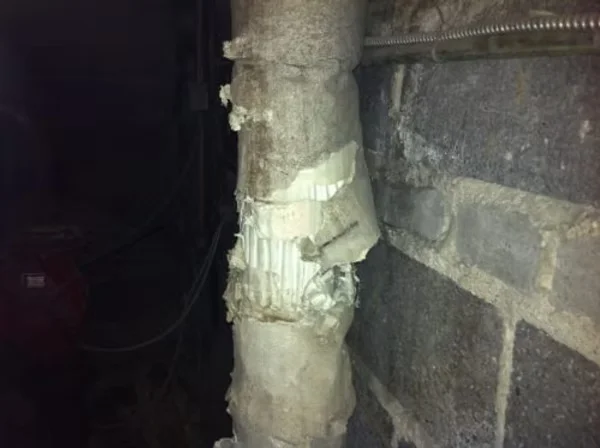

Photo: Historic image of asbestos – containing vermiculite used extensively in the building industry prior to the 1980s(source unknown)
Asbestos: A Nemesis And Much More